Apex Group
Sean Tinney
10 Jun 2026
Sean Tinney, vice president at Apex Group, discusses his journey from Ireland to New York, why the alternatives industry appealed to him, and how curiosity, international exposure, and continuous learning have shaped his early career in asset servicing and private markets
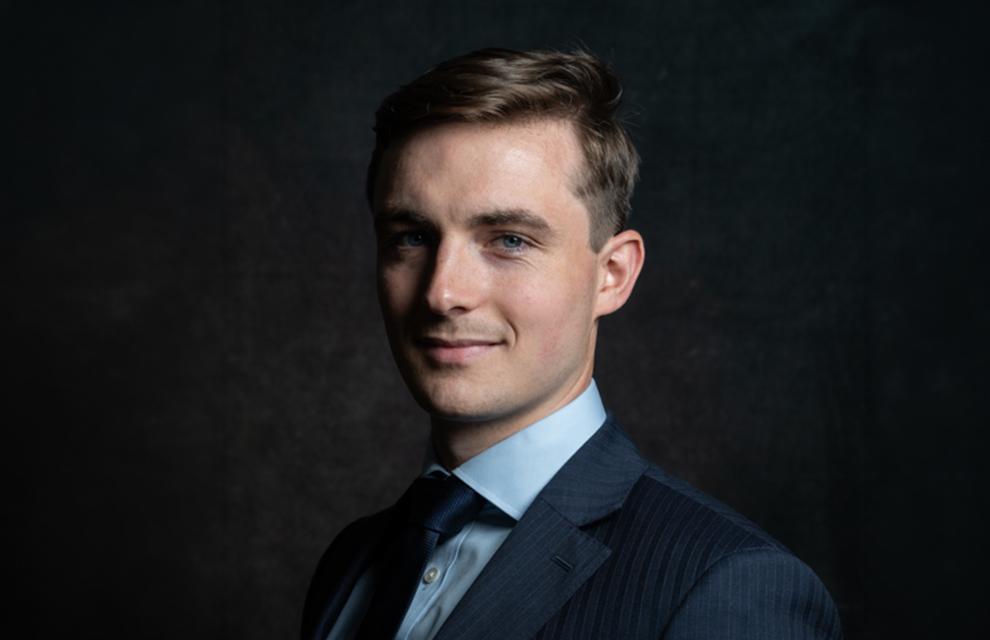 Image: Apex Group
Can you give us an insight into your personal journey into the asset services industry, why did you decide this was the career for you?
Originally from Ireland, I moved to New York to complete my MBA at Pace University and pursue my career in the US financial services industry. I was drawn to the alternatives space because of its complexity, international nature, and the exposure it provides across different parts of the investment ecosystem.
What interested me most was gaining insight into how capital moves globally and how investment managers navigate growth, fundraising, distribution, and market access across increasingly interconnected private markets.
Working across a wide range of managers, strategies, and jurisdictions has given me a broad perspective on how the industry continues to evolve.
What aspects of your job do you enjoy the most?
The part I enjoy most is the diversity of conversations and projects across the alternatives industry.
No two managers are exactly the same, and each has different operational, distribution, and strategic objectives depending on their structure, investor base, and growth plans.
I also enjoy the international aspect of the role. Private markets are becoming increasingly global, and it is interesting to work with managers navigating different jurisdictions, investor channels, and market access considerations. The industry is constantly evolving, which makes the work intellectually engaging.
Being fairly new to the industry, how do you find your experience compares to those who are more established? Are there pros and cons to each?
One advantage of being earlier in your career during a rapidly evolving period for private markets is being able to approach the industry with a fresh perspective.
There is significant change happening across the alternatives space, particularly around accessibility, operational infrastructure, and the continued institutionalisation of private markets.
At the same time, one of the biggest advantages experienced professionals have is long-term perspective.
Many have navigated multiple market cycles and structural shifts across the industry, which is incredibly valuable. I have been fortunate to work alongside highly experienced colleagues and mentors who have provided meaningful guidance and insight early in my career. I think the strongest environments are those where newer professionals can bring fresh ideas while learning from individuals with deep industry experience.
Have you noticed any misconceptions about the asset servicing industry? Is there anything in the industry you would like to see evolve or change?
I think one misconception is that the industry is narrower in scope than it actually is. In reality, it sits at the intersection of capital markets, fund management, investor access, regulatory frameworks, and global distribution, which makes it a far more dynamic and strategic part of the financial ecosystem than many people initially realise.
Looking ahead, I believe there will continue to be greater focus on improving accessibility to private markets, streamlining complexity across jurisdictions, and creating more efficient global infrastructure for both investment managers and investors.
What is the training process of a new employee? Do you think it was beneficial to your role and others who may now be in the same position you were?
I think one of the most important parts of developing early in your career is gaining broad exposure and being willing to take on new challenges. Formal training provides an important foundation, but a lot of development also comes from practical experience, working on live projects, and learning directly from experienced colleagues.
I have always tried to be proactive about continuing to learn beyond my immediate day-to-day responsibilities, whether through taking on new opportunities internally or attending industry events and discussions across New York. Being exposed to different perspectives across the industry has been extremely valuable in building both technical understanding and commercial awareness early in my career.
In terms of your career, where do you see yourself in a decade?
Over the long term, I would like to continue building expertise across private markets, capital formation, and global investment infrastructure.
The alternatives industry is continuing to evolve rapidly, and I am particularly interested in the long-term convergence between institutional capital, private wealth access, and global distribution models.
I also hope to remain actively involved in broader industry initiatives and conversations that contribute to the continued growth and evolution of private markets.
What advice would you give to young graduates when entering the financial services field?
I would encourage graduates to stay curious and avoid viewing the industry too narrowly early in their careers.
Financial services is a much broader and more interconnected industry than many people initially realise, and some of the best opportunities come from gaining exposure across different parts of the market.
I also think it is important to focus on long-term learning and relationship building.
Technical skills are important, but so are communication skills, adaptability, and the ability to understand how different parts of the industry connect together over time
← Previous interview
Allfunds
Borja Largo
Next interview →
FundGuard
Lior Yogev